- Gold Au $4181.80 $4.96
- Silver Ag $58.32 $0.33
- Platinum Pt $1645.20 $14.88
- Palladium Pd $1149.00 $9.37
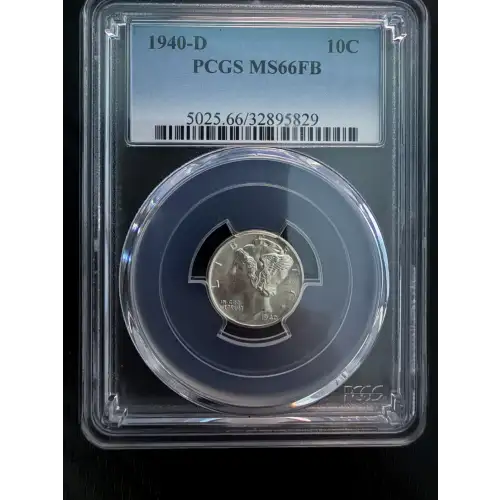
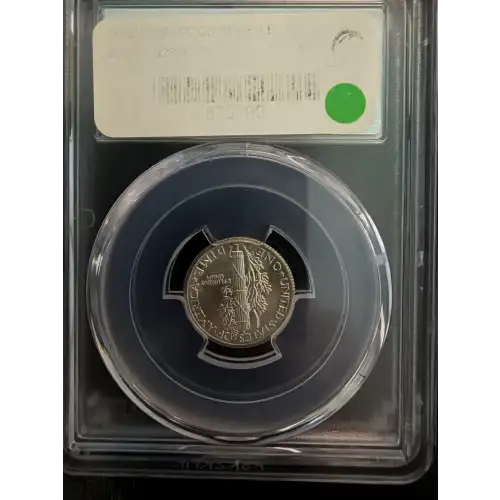
1940-D Dimes Winged Liberty Head or Mercury PCGS MS-66 FB
Category: Dimes Winged Liberty Head or MercuryDescription
Discover the timeless elegance and historical significance of the 1940-D Winged Liberty Head Dime, also affectionately known as the Mercury Dime. Graded by PCGS in the exceptional MS-66 Full Bands (FB) condition, this stunning example represents one of the finest surviving specimens from the Denver Mint's 1940 production. Collectors and investors alike seek out these premium Mercury Dimes for their razor-sharp strike, brilliant luster, and remarkable state of preservation more than eight decades after minting.
The Winged Liberty Head Dime series, designed by renowned sculptor Adolph A. Weinman, remains one of the most beautiful and collectible coins in American numismatic history. Often mistakenly called the "Mercury Dime" due to the winged Phrygian cap resembling the Roman god Mercury, this series was minted from 1916 through 1945. The 1940-D issue stands out as a key date for collectors seeking high-grade examples with the coveted Full Bands designation, indicating a fully struck coin with complete separation of the horizontal bands on the fasces held by Liberty.
PCGS MS-66 FB represents an elite grade for this issue. At the MS-66 level, the coin displays virtually flawless surfaces with only minor imperfections visible under close inspection. The "FB" designation further confirms that the coin exhibits the sharpest possible strike, with clearly defined central bands on the reverse fasces – a feature often missing even on many uncirculated examples. This combination of grade and strike makes the 1940-D Mercury Dime particularly desirable to serious collectors building top-tier sets.
Struck at the Denver Mint during a period of significant global tension just before America's entry into World War II, these dimes circulated during one of the most transformative eras in modern history. The 1940-D Mercury Dime captures both the artistic beauty of early 20th-century American coinage and serves as a tangible connection to the pre-war years that shaped the modern world. Its .900 fine silver composition further adds to its intrinsic appeal for bullion enthusiasts and numismatists alike.
Whether you're a seasoned collector specializing in Mercury Dimes, an investor seeking premium silver coins with strong numismatic upside, or simply appreciate exquisite American craftsmanship, this PCGS-certified 1940-D MS-66 FB Winged Liberty Head Dime deserves consideration for your collection. Its combination of historical importance, exceptional condition, and visual appeal makes it a standout piece that will remain a treasured holding for generations.
Coin Specifications
- Year: 1940
- Mint Mark: D (Denver Mint)
- Denomination: 10 Cents (One Dime)
- Composition: 90% Silver, 10% Copper
- Weight: 2.50 grams
- Diameter: 17.9 mm
- Edge: Reeded
- Designer: Adolph A. Weinman
- Obverse: Winged Liberty Head (often called Mercury)
- Reverse: Roman fasces with olive branch
- Grade: PCGS MS-66 Full Bands (FB)
- Population: Limited high-grade survivors with Full Bands designation
Historical Context
The Winged Liberty Head Dime was first introduced in 1916 as part of a comprehensive redesign of American coinage that included the Walking Liberty Half Dollar and Standing Liberty Quarter. Adolph Weinman's elegant design replaced the long-running Barber Dime and immediately captured the public's imagination with its classical beauty and modern Art Deco influences.
The 1940-D issue was produced as America was emerging from the Great Depression while watching war spread across Europe and Asia. The Denver Mint struck 21,560,000 dimes that year, a significant but not overwhelming mintage that makes high-grade examples like this MS-66 FB particularly scarce today. Most examples from this era entered circulation and experienced significant wear, making pristine survivors increasingly difficult to locate.
The Full Bands designation has become one of the most important criteria for advanced Mercury Dime collectors. On the reverse, the fasces features two horizontal bands that bind the bundle of rods. When these bands show complete separation and clarity from top to bottom without weakness, the coin earns the coveted "FB" designation from PCGS. This 1940-D example displays this premium strike characteristic beautifully.
Today, these historic silver dimes serve dual purposes as both cherished numismatic treasures and tangible assets containing precious silver. The 1940-D Winged Liberty Head Dime in PCGS MS-66 FB condition represents the perfect intersection of rarity, condition, historical importance, and eye appeal that serious collectors demand.
Specifications
Related products